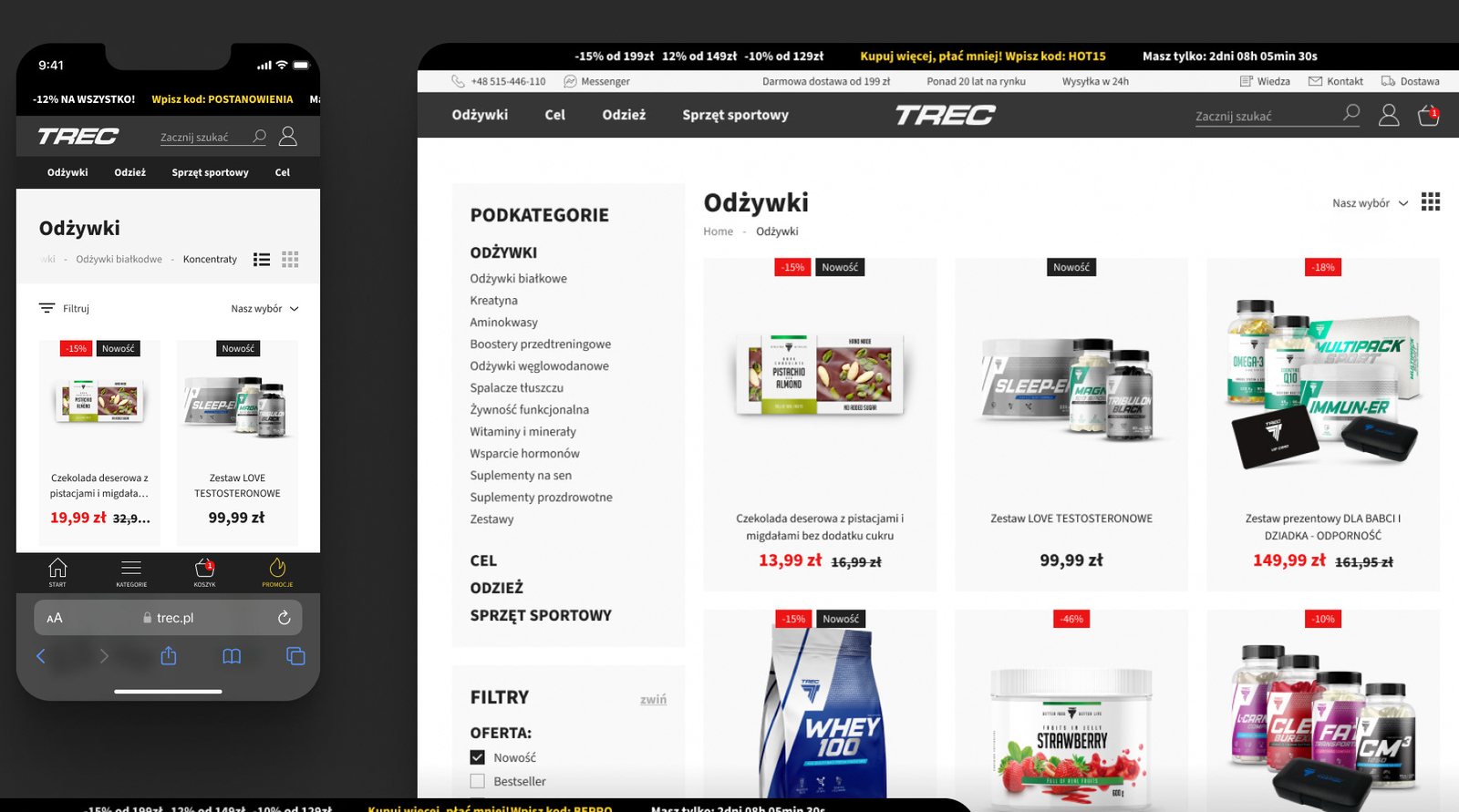
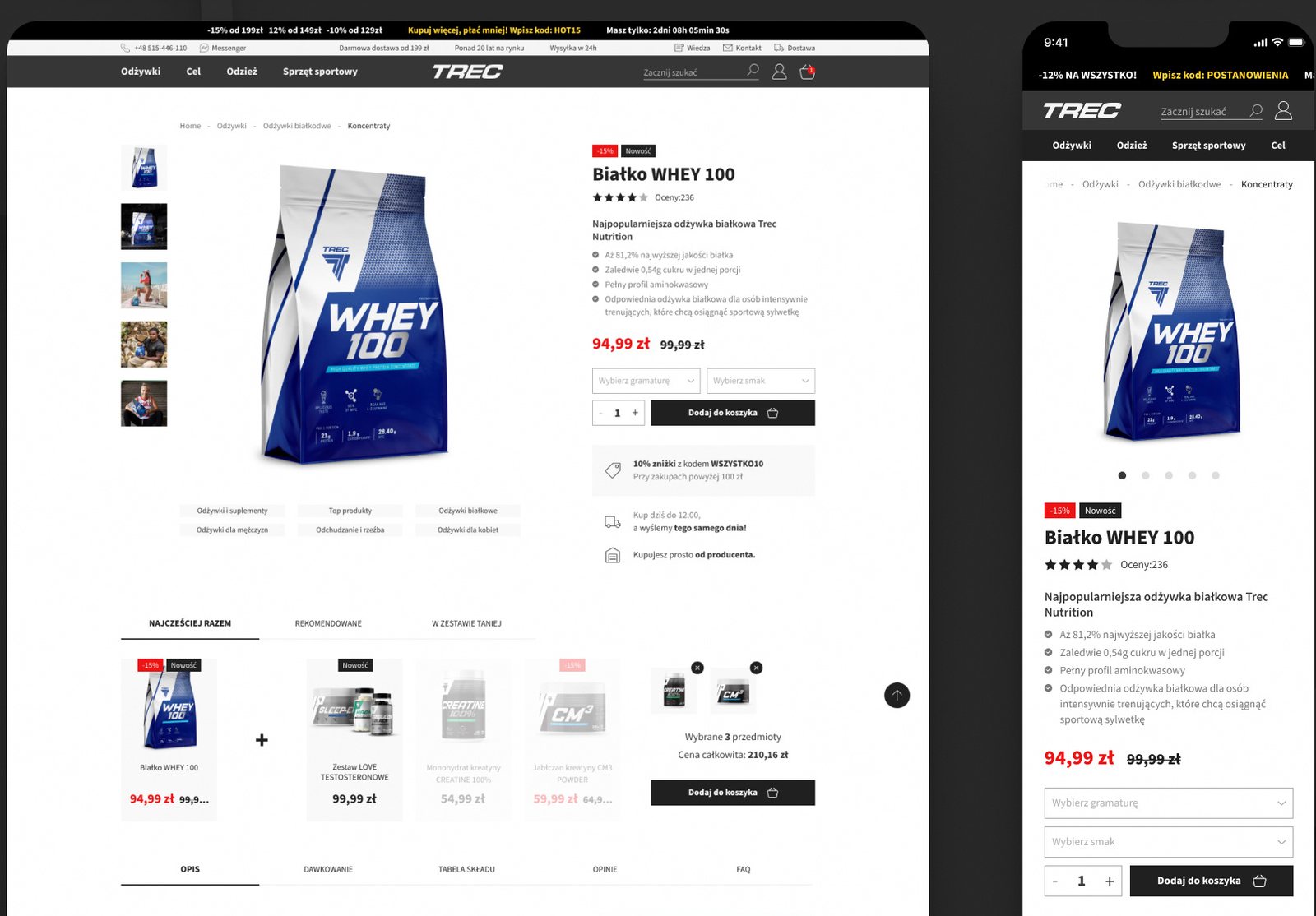
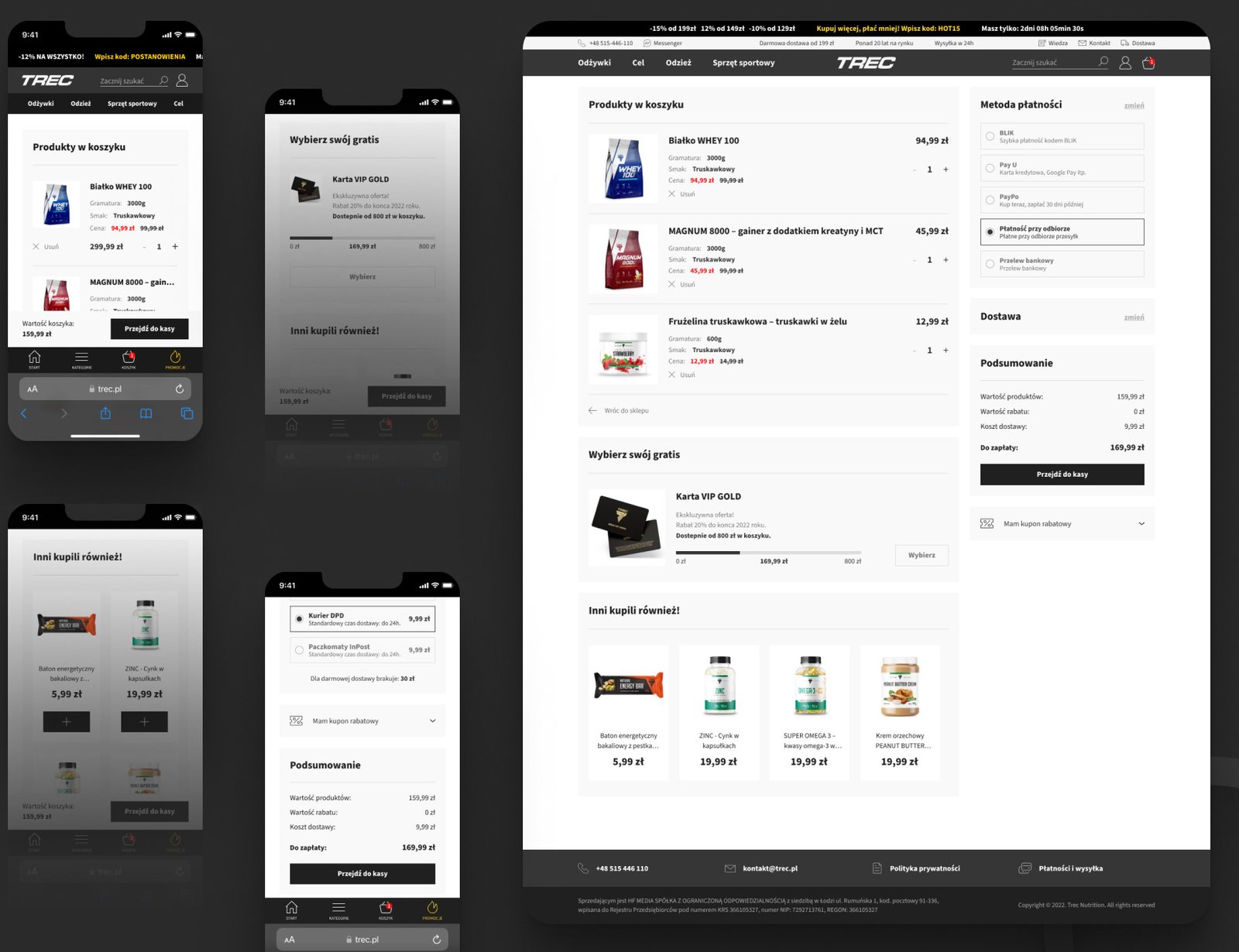
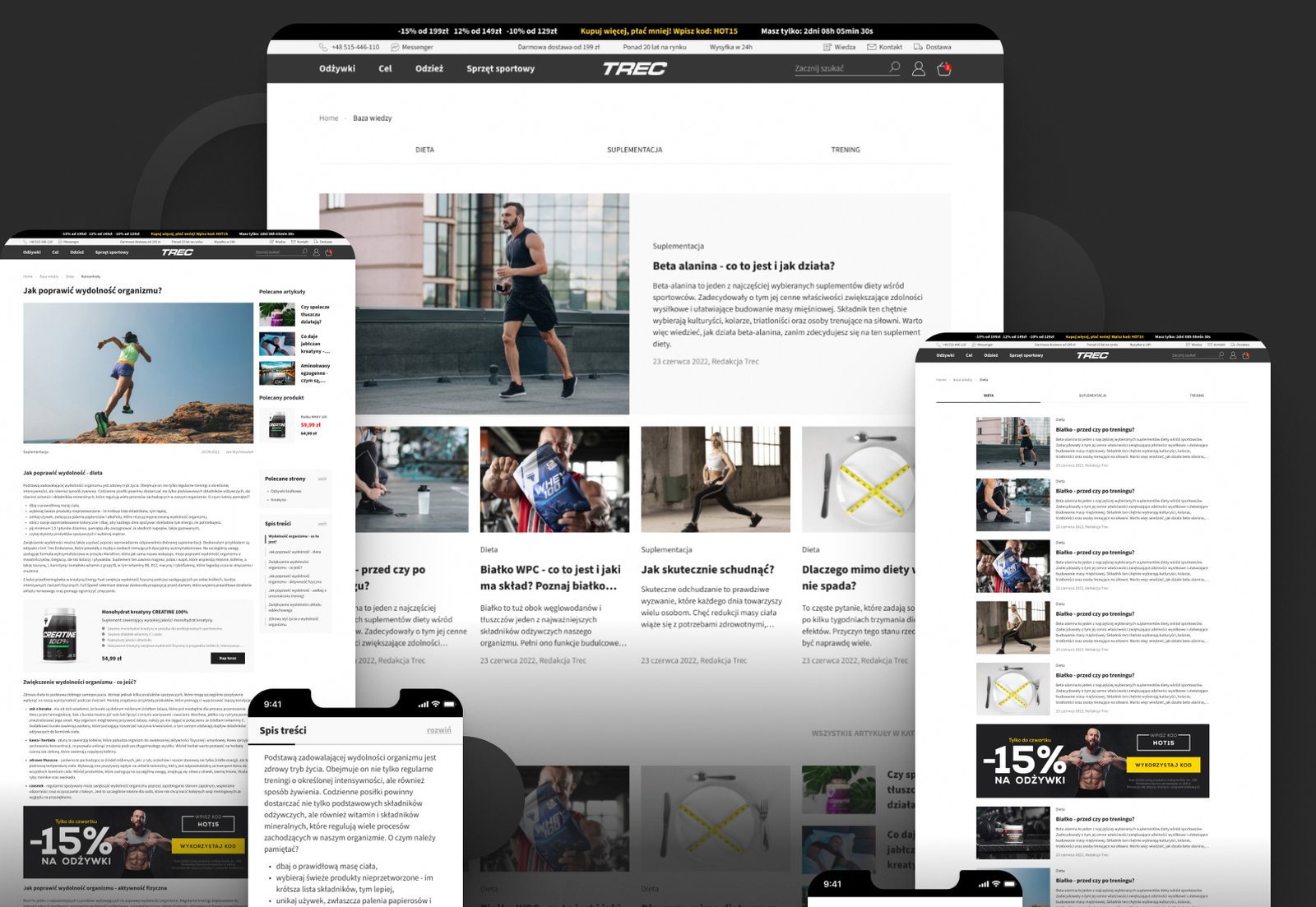
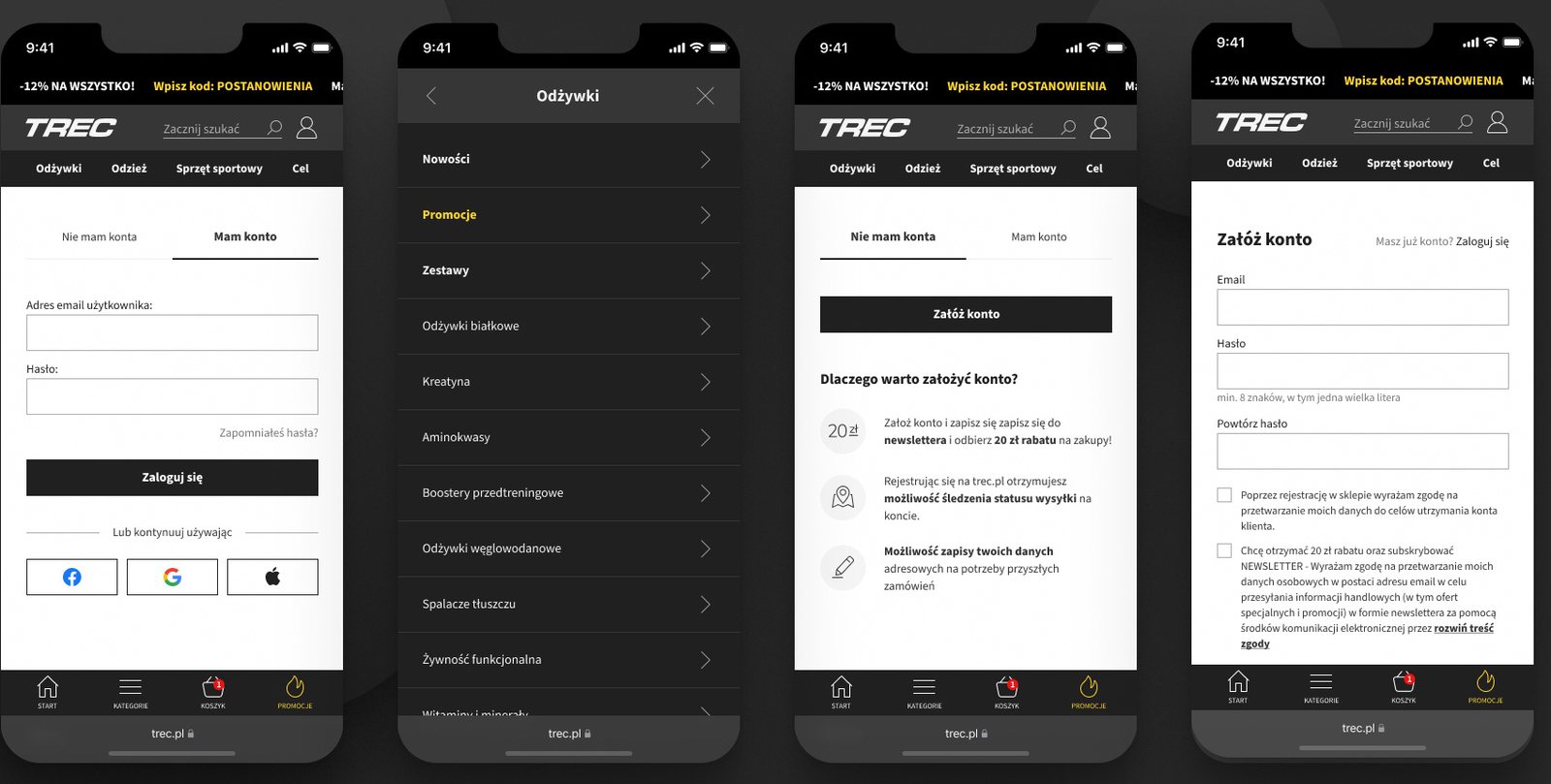
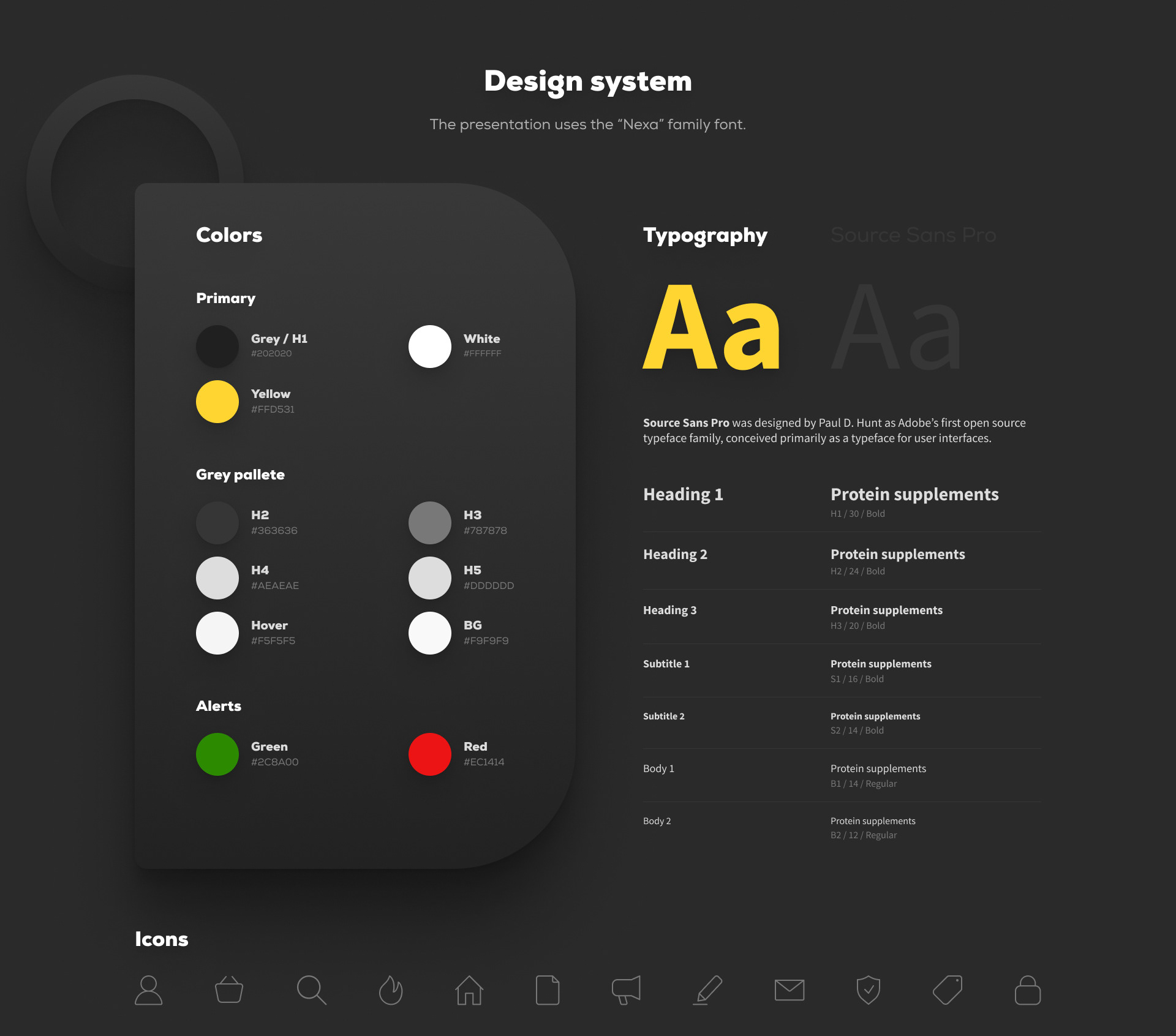
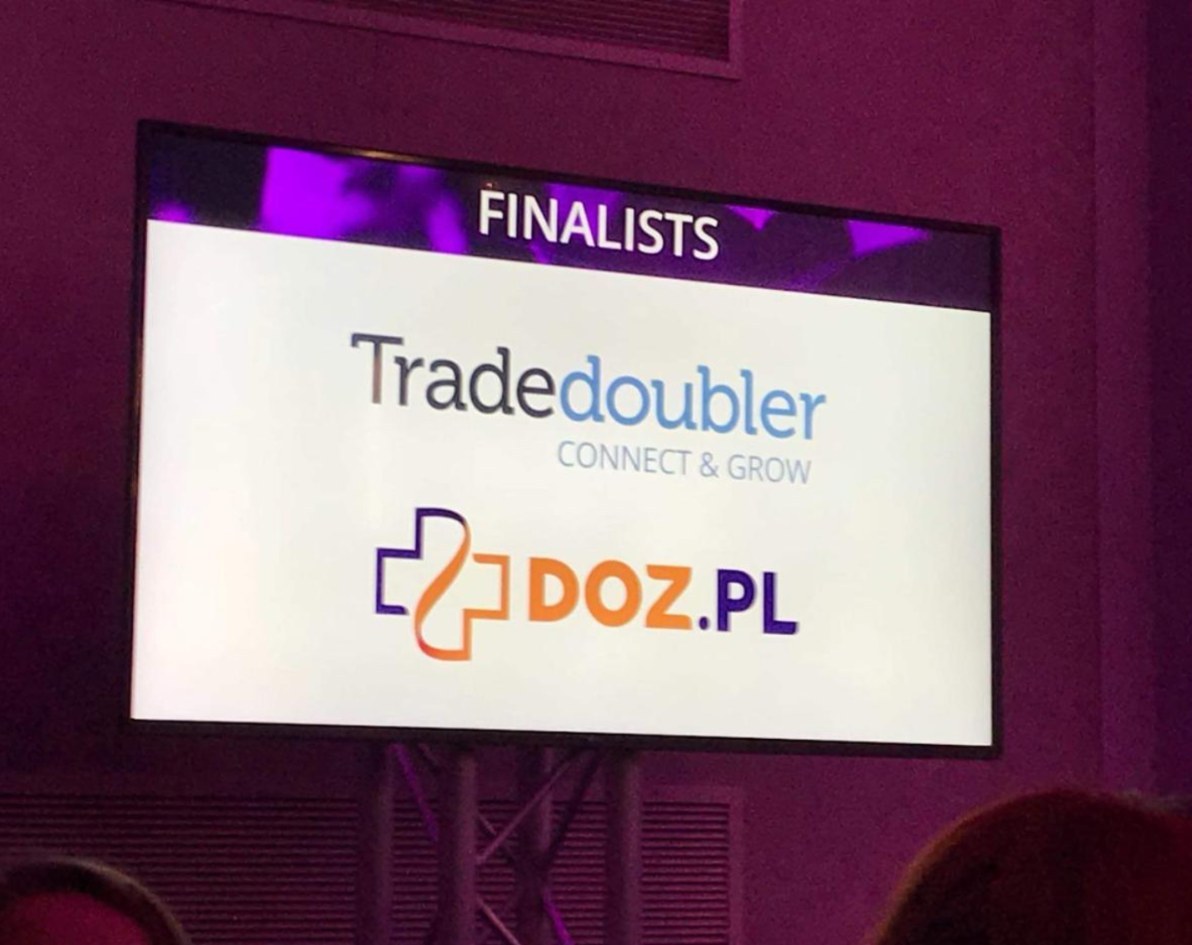
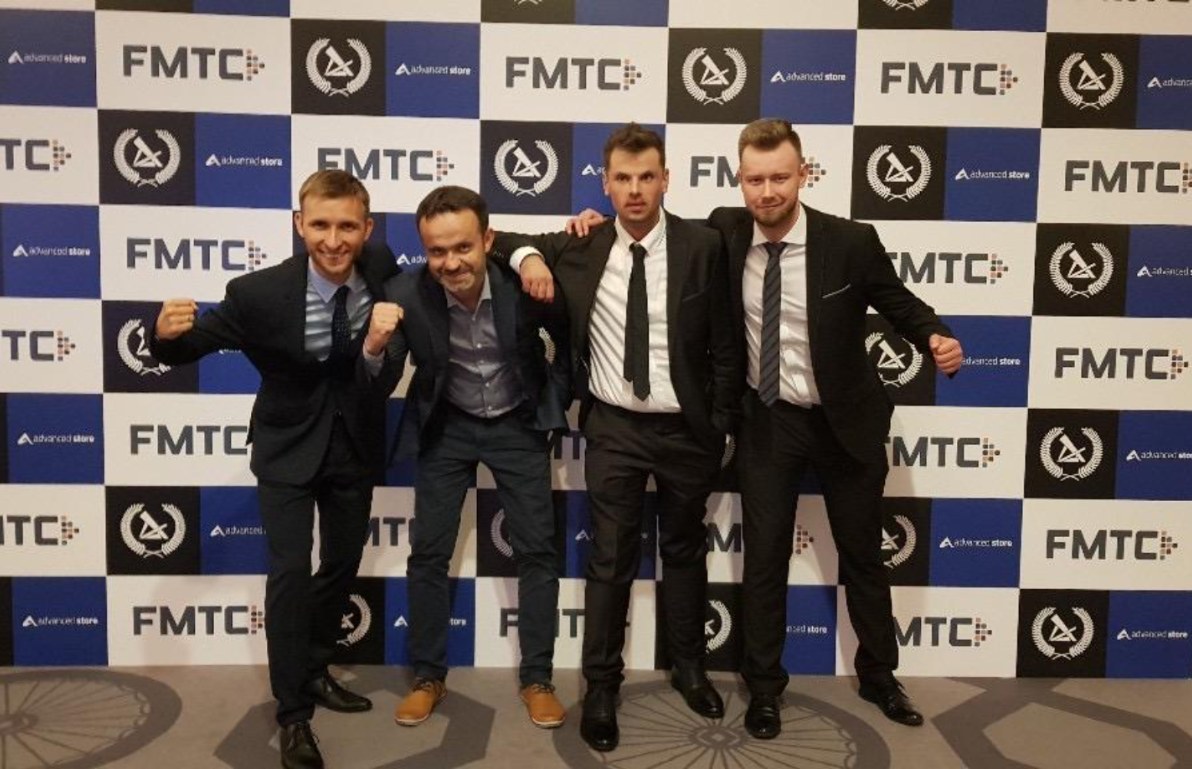
The market where I ran DOZ.pl marketing for almost 4 years. Legal status: October 2026.
12,267Pharmaciespharmacies and pharmacy points at the end of 2025 (Ministry of Health data); the number has been falling since 2017. Since the “Pharmacy for Pharmacists” amendment, a new pharmacy can only be opened by a pharmacist or a pharmacists’ partnership, at least 500 m from the nearest one and for at least 3,000 residents of the municipality.
discountRewards for purchasesDiscounts, gifts or points for buying in a particular pharmacy are treated by the pharmaceutical inspectorate as banned pharmacy advertising, and the new law bans them outright. That is why dermocosmetics and supplements must be kept apart from OTC drugs: they can be on promotion, while a medicine may only be advertised by its marketing authorisation holder.
art. 94aPharmacy advertising banSince 2012 a pharmacy may only state its address and opening hours. The word “promotion” alone could bring a fine of up to PLN 50k from the regional pharmaceutical inspector (a manufacturer’s promotion printed on the pack was an exception). DOZ.pl was the most inspected pharmacy in Poland, and I grew the affiliate programme so that publishers took over responsibility for the ad content. In 2025 the CJEU (C-200/24) ruled the total ban incompatible with EU law.
PLN 1MNew rulesThe Sejm voted to lift the ban on 18 Sep 2026 and the Senate added amendments on 13 Oct 2026. Pharmacy advertising returns, but with no rewards for purchases, no comparisons, no celebrities and no people with medical training. Fines of up to PLN 1M per pharmacy.
SmPCOTC drug advertisingOnly the marketing authorisation holder, or someone it commissions, may run it, in line with the summary of product characteristics and with the mandatory “This is a medicine…” warning. Prescription and reimbursed drugs may not be advertised to the public. The Chief Pharmaceutical Inspector orders ads stopped and corrected, and unlawful advertising carries a fine.
PLN 2MMedical devicesSince 2023 advertising falls under the Medical Devices Act, supervised by the President of URPL. Fines of up to PLN 2M, up to PLN 5M for misleading claims.
GDPRHealth dataA pharmacy’s sales data is in practice health data: purchase history of medicines reveals conditions, so it falls under special protection (Art. 9 GDPR). Segmentation, marketing automation and remarketing have to be designed with that in mind.
art. 35Pharmacists and salesA pharmacist decides independently, guided only by the patient’s good (Pharmacist Profession Act), and the pharmacy owner must guarantee it. Manufacturers may not reward dispensing their products, and reimbursed drugs carry official prices and pharmacy margins.
copyProduct pageIn a pharmacy you speak to a patient, not a customer. An online pharmacy’s drug description is judged like an ad: only what the SmPC and leaflet say. Supplements: only authorised health claims (rules below). A dermocosmetic may not promise treatment.
Health claims: how they work
A food supplement is food, not medicine: it is notified to the Chief Sanitary Inspectorate before launch. Every sentence about what a supplement, sports food or other food does, on the label, in the product description and in ads, falls under Regulation (EC) 1924/2006 and the EU list of claims (Regulation 432/2012). Supervision: the State Sanitary Inspection; successive draft amendments plan supplement ads without doctors and pharmacists.
- Only from the EU list
Only claims authorised in the EU register may be used. The wording can follow the brand’s voice, but the meaning for the consumer must stay the same, with no stronger promise.
- Conditions of use
Every claim has a threshold. Creatine: “Creatine increases physical performance in successive bursts of short-term, high intensity exercise” only at 3 g a day, with the consumer told about that dose. Protein: “Protein contributes to a growth in muscle mass” only if the product is at least a source of protein. Vitamins and minerals: a significant amount, as a rule at least 15% of the reference intake.
- General wording
“Supports immunity”, “for your health” and similar general benefits are allowed only next to a specific authorised claim (Art. 10(3)).
- Mandatory notes
With a claim on the label: the importance of a varied diet and healthy lifestyle, the quantity and pattern of consumption needed for the effect, a warning for people who should avoid the product, and a warning against excessive intake (Art. 10(2)).
- No cures
Food, supplements included, may not claim to prevent, treat or cure a disease (Regulation 1169/2011). Disease risk reduction and children’s development claims come only from a separate list (Art. 14).
- Botanicals “on hold”
Claims for plant ingredients are still awaiting EU assessment and rely on transitional rules. The CJEU (C-386/23, 30 Apr 2025) confirmed that a claim outside the lists may not be used in ads or product presentation unless the transitional period protects it. According to the Polish Chief Sanitary Inspectorate, being on the “pending” list is necessary but not sufficient: the manufacturer must hold the scientific evidence.